IB French B IO: Format, Expectations, and How to Prepare
The IB French B Individual Oral (IO) is your internal speaking assessment. It’s a short recorded exam, usually done in your final year, where you respond to a stimulus and then discuss it with your teacher.

At a basic level, you’re expected to:
describe the stimulus clearly
develop a couple of ideas from it
link those ideas to the course themes
bring in simple cultural or real-world references
respond to follow-up questions without relying on a script
show some range in your grammar and tenses
What tends to matter most is how well you follow the structure.
Students who speak French comfortably don’t always score highly if their answers stay too simple or don’t develop. At the same time, students with more limited French can do well if they prepare with the format in mind and know how to build their responses.
The IO is relatively predictable once you understand what it’s asking for, which is why a small amount of focused preparation can make a noticeable difference.
Learn How to Structure High-Scoring IO Responses
IB French B IO: Format and Structure
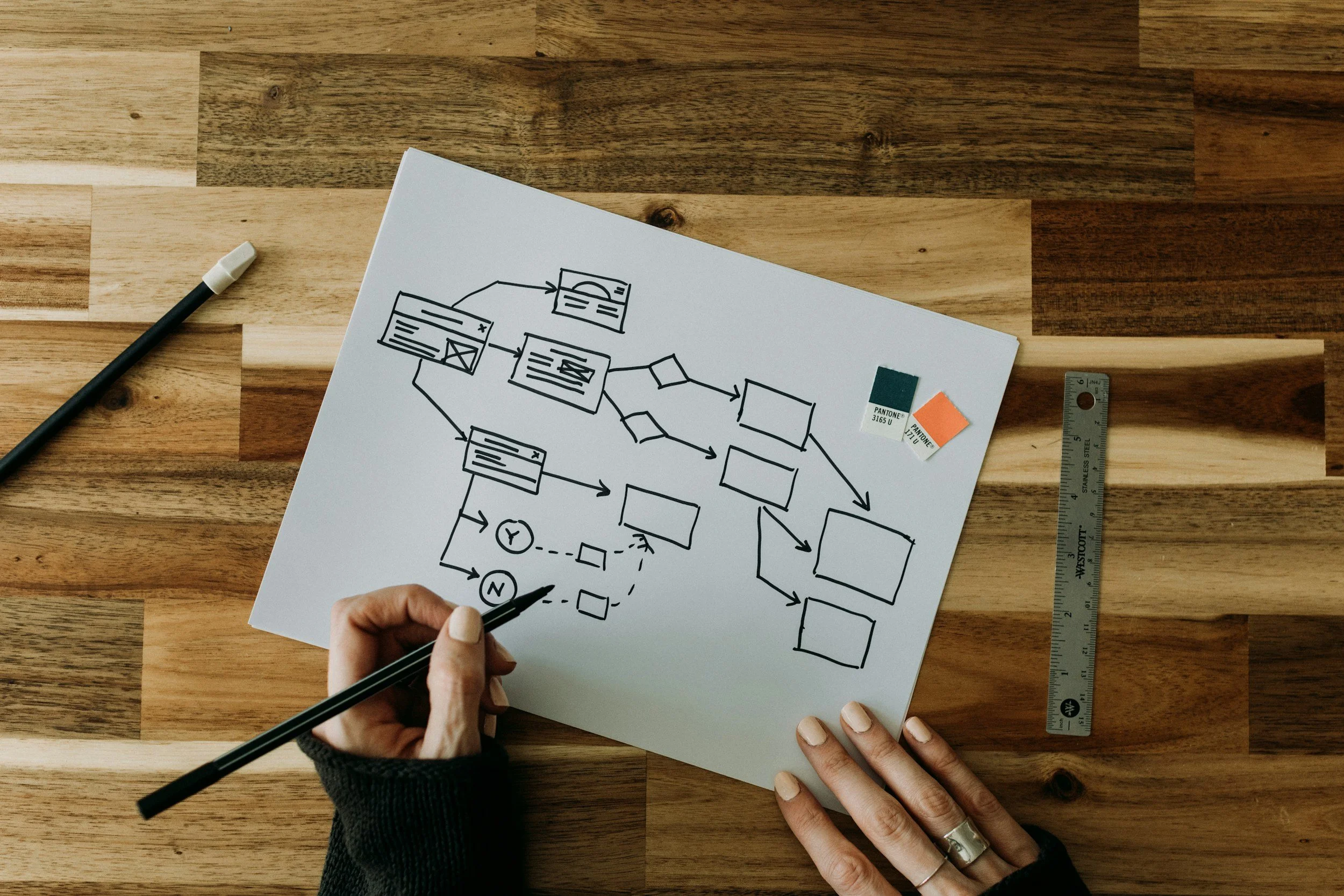
The French B IO follows a consistent format, even if the exact timing can vary slightly between schools.
You can expect it to move through four main stages:
Preparation time (around 15 minutes)
You’re given a stimulus and a short window to organise your ideas.Initial response
You speak about the stimulus, describing what you see and developing a couple of ideas from it.Follow-up questions
Your teacher asks you to expand, clarify, or react to what you’ve said.Wider discussion
The conversation shifts toward related themes from the course.
The timings aren’t always identical, but this structure is a reliable guide.
Where many students pick up or lose marks is in the discussion. Once you move past your initial response, you need to be able to react, build on your ideas, and keep the conversation going.
SL vs HL: Key Differences
The format of the French B IO changes slightly depending on whether you are taking SL or HL, mainly in the type of stimulus you receive.
At SL, you are given an image. Your role is to describe it clearly, suggest what is happening, and build a couple of ideas from what you see.
At HL, the starting point is a short extract from a literary work studied in class. Here, you are expected to show that you understand the passage and respond to it before the discussion develops further.
Despite this difference, the approach is similar. In both cases, you begin with what you are given, then use it to move into a broader conversation connected to the course themes.
Describing the stimulus clearly

The opening part of the IO is where you set up the rest of your response, so it helps to have a clear way of approaching the stimulus.
Rather than going straight into small details, it usually works better to start with the bigger picture. Briefly situate the scene, then move into what is happening, and only then focus on specific elements that you can develop.
This gives your answer a sense of direction and makes it easier to build ideas, instead of listing disconnected observations.
As you describe, you can begin to go slightly beyond what is visible. A short comment on what the situation might suggest, or why it is happening, is often enough to move from description into interpretation.
This is also a natural point to bring in a simple cultural link. For example, something about the setting, behaviour, or context can lead into a brief reference to daily life in a French-speaking environment.
You don’t need to cover everything in the stimulus. It’s more effective to focus on a few details that you can develop and connect to a broader idea.
A practical grammar checklist

You don’t need to be perfectly accurate from start to finish, but it does help to show some variety in how you use the language across your response.
A simple way to manage this is to prepare a short checklist of structures you want to include at some point during the oral. Many students find it useful to have a few adaptable lines that can be adjusted depending on the topic.
For example:
past reference (passé composé or imparfait)
future reference (futur simple or aller + infinitif)
conditional (e.g. je voudrais, ce serait mieux si…)
one use of the subjunctive (e.g. il est important que…)
a comparison (e.g. plus… que, alors que…)
a justification (e.g. parce que, car, grâce à…)
In practice, this often comes down to having a few sentences you can reuse in different contexts. Everyday topics like school, travel, or lifestyle make it easier to include different time frames and opinions without forcing them.
Prepare for Your IB French B IO Before Exam Season Starts
Using the course themes naturally

The themes are part of the course, but you’re not expected to name them directly during the oral.
The five themes you’ll be working with are:
identities
experiences
human ingenuity
social organisation
sharing the planet
You won’t need to refer to them by name, but it helps to be familiar with the kind of topics they cover.
What matters more is being able to connect your ideas to broader areas when it fits.
For example, an image might lead into everyday life, education, technology, or environmental issues, depending on what stands out. The connection doesn’t need to be complex - it just needs to be relevant and developed briefly.
It’s also fine to use realistic examples, even if they’re not directly personal, as long as they make sense and support your point.
In practice, this becomes easier with repetition. Working through common question types and building a small set of vocabulary around each theme helps you recognise when to make these links more naturally.
Get personalised feedback and maximise your IO results
Cultural references that feel natural

You’re expected to show some cultural awareness, but this doesn’t mean giving long or detailed explanations.
In practice it’s best to keep references short and directly connected to what you’re already saying. A brief mention of life in France, Québec, or another French-speaking context is usually enough if it supports your point.
For example, depending on the stimulus, you might refer to:
how people use public transport or shared spaces in cities
school life or differences in daily schedules
eating habits or how meals are structured
everyday routines in urban or local environments
The key is that the reference fits naturally into your answer. A short, relevant comment is enough to show awareness and help you develop your idea slightly further.
Improve Your French IO Confidence with Expert IB Tutors
Language that helps you keep going

A lot of the challenge is keeping your answer moving without pausing too much.
It helps to have a few go-to phrases you can rely on when you need a second to think or want to extend an idea. They give you structure and make your response feel more continuous.
For example:
Sur cette image, on peut voir…
Il semble que…
On a l’impression que…
Cela pourrait représenter…
À mon avis…
Une explication possible serait que…
D’un côté… de l’autre…
Cela dépend du contexte…
These aren’t there to make your French sound more advanced. They just help you organise your ideas and avoid stopping too early.
Preparing with a teacher or native speaker

The most effective way to prepare is to practise speaking with someone who can guide you and correct you as you go.
This usually involves working through different stimuli, responding to follow-up questions, and building vocabulary through conversation rather than memorising phrases. It also helps you get used to linking ideas and developing answers in a more natural way.
Students who practise this regularly tend to improve quickly, especially in terms of confidence and fluency during the oral.
If you don’t have someone to practise with

If you’re not able to practise speaking with someone regularly, there are still a few ways to make progress.
Recording yourself responding to a stimulus can help you spot where your answers become too short or repetitive. It’s also useful to practise common question types by theme so you start to recognise the kinds of conversations that come up in the French B IO.
Spending time listening to French - through videos, interviews, or everyday content - can also help you get used to how ideas are expressed more naturally.
That said, most students improve faster once they start practising with someone who can ask follow-up questions and give immediate feedback.
Working with someone familiar with the IB programme makes a difference. It’s not just about speaking with a native or fluent speaker, but about understanding what is actually being assessed and where marks are gained or lost.
Our tutors are both native or near-native French speakers and experienced with the IB, so sessions focus on the parts of your oral that tend to have the biggest impact.
If you’d like to prepare for the IB French B IO in a more structured way, we can work through a full mock oral exam together and focus on the areas that tend to make the biggest difference.