IB Spanish B IO: What to Expect and How to Prepare
Many students go into the IB Spanish B Individual Oral (IO) without a clear idea of how it works or what they’re expected to say minute by minute.
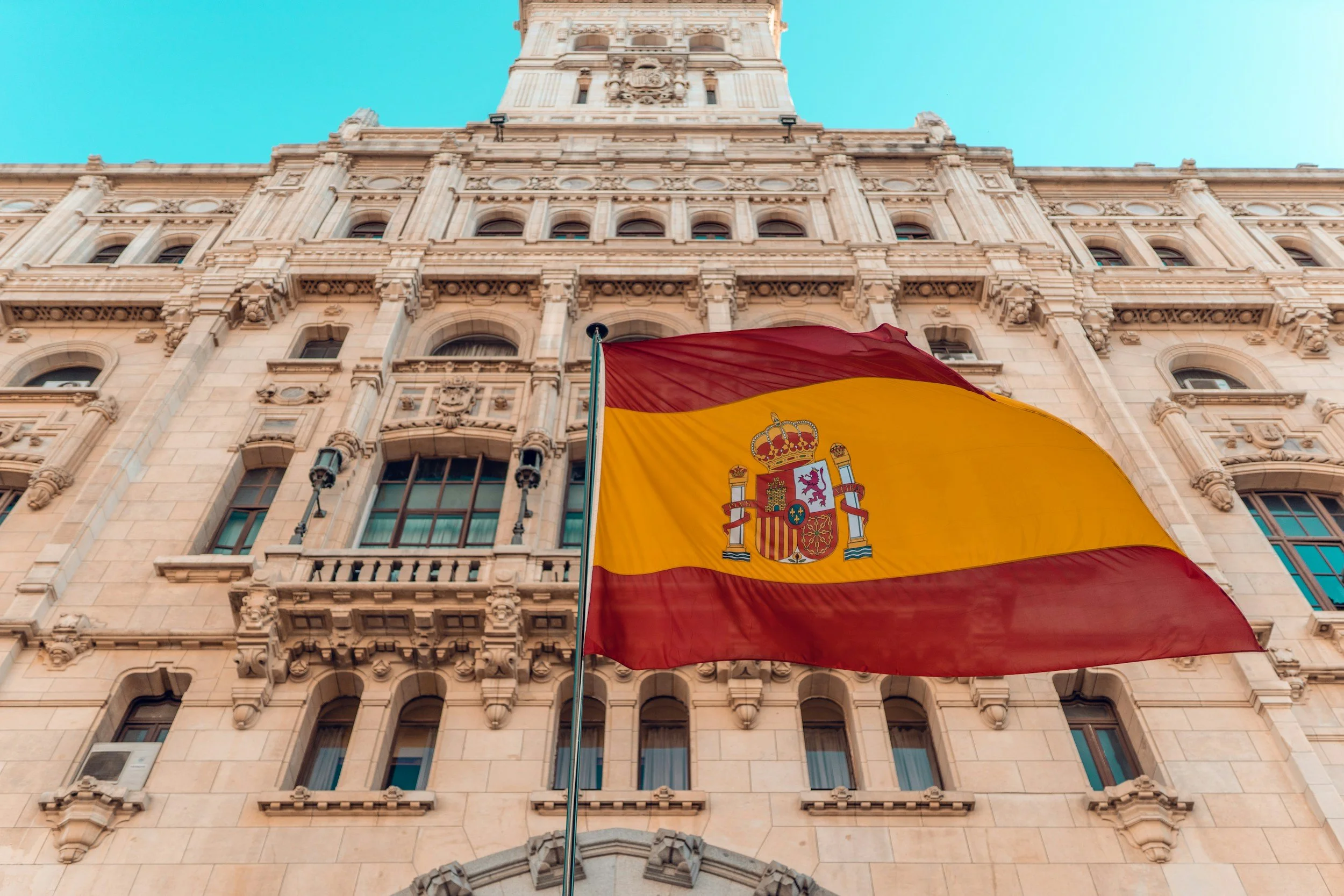
At a basic level, the IO is a speaking assessment based on a stimulus. But it’s not a free-form conversation. It follows a fairly specific structure, and students are expected to show grammatical and cultural proficiency in a relatively short amount of time.
In practice, that means being able to:
describe the stimulus clearly
develop a couple of ideas from it
link those ideas to the themes of the course
bring in simple cultural or real-world references
handle follow-up questions without relying on a script
show some range in their grammar and tenses
What tends to surprise students is that performance doesn’t always match fluency.
Sometimes students with strong spoken Spanish underperform because they don’t follow the structure closely, or forget to show enough range. At the same time, students with more limited Spanish can do very well if they prepare more deliberately for what the exam is looking for.
The good news is that the IO is one of the more manageable assessments of the course; a bit of strategy and a few hours of focused preparation can make a substantial difference.
Improve your Spanish IO performance with expert guidance
IB Spanish B IO: Format and Structure

The Spanish B IO is your internal assessment, usually completed in the final year of the course.
It is conducted by your teacher and recorded. While the IB provides clear criteria, there can be some variation in how teachers handle timing and questioning, so it helps to be familiar with the overall structure in advance.
The oral generally follows this sequence:
Preparation time (around 15 minutes)
You are given a stimulus and time to organise your ideas.Initial response to the stimulus (around 3-4 minutes)
You describe and develop your ideas based on the stimulus.Follow-up discussion (around 4-5 minutes)
Your teacher asks questions related to your response and the stimulus.Wider conversation (around 4-5 minutes)
The discussion expands to related themes from the course.
The exact timing can vary slightly depending on the school, but this is a reliable reference point.
What matters here is that the IO is not just a short presentation. A significant part of the assessment comes from how you respond once the discussion moves beyond your prepared ideas.
SL vs HL: the key difference

The IO is always based on a stimulus, but the type of stimulus depends on whether you are taking SL or HL.
In Spanish B SL, the stimulus is a photo. You are expected to describe what you see, interpret what is happening, and develop a few ideas from it.
In Spanish B HL, the stimulus is an extract from one of the literary works studied in class. You are expected to show that you understand it and respond to it, before moving into discussion.
In both cases, the goal is similar: to move from what is in front of you to what it represents, and then into a broader conversation.
Describing the stimulus clearly

The first part of the IO is based on describing a stimulus. Strong responses usually go beyond simply listing what is visible, starting broadly, then moving into detail.
For example, it often helps to:
identify the setting (urban, rural, indoors, outdoors)
suggest a possible location or context
mention what is happening overall
then focus on specific details
This creates a clearer structure than describing isolated elements one by one.
It’s also useful to combine description with interpretation where possible. Instead of only describing what people are doing, you can begin to suggest why it might be happening or what it represents.
In many cases, students also use this moment to introduce simple cultural references. For example, noticing the setting, clothing, or activity can naturally lead into a comment about lifestyle, traditions, or daily life in Spanish-speaking contexts.
The goal is not to describe everything in the image, but to select details that can be developed and connected to wider ideas.
A practical grammar checklist

You don’t need perfect grammar throughout the IO, but it does help to show that you can use a range of tenses and structures at some point during your response.
A useful way to prepare is to work with a simple checklist. Many students prepare a few flexible sentences or ideas that allow them to naturally include different structures without overcomplicating things.
For example:
past reference (pretérito indefinido or imperfecto)
future reference (futuro simple or ir a + infinitivo)
conditional (e.g. me gustaría, sería mejor si…)
at least one use of the subjunctive (e.g. es importante que…)
a comparison (e.g. más… que, mientras que…)
a reason or justification (e.g. porque, ya que, debido a…)
In practice, this often means preparing a few lines that can be adapted to different themes. Topics like travel, school, or daily life make it relatively easy to include different time frames, opinions, and comparisons without forcing anything.
Book your mock IO session now and boost your score fast
Using the course themes naturally
The five themes are part of the course, but the IO is not about naming them or trying to force them into your answer.
What matters is being able to connect what you’re saying to broader ideas when it makes sense.
For example, a photo might lead into:
identity (family, lifestyle, culture)
social organisation (education, work, community)
human ingenuity (technology, communication)
sharing the planet (environment, sustainability)
These links don’t need to be complicated. A simple, relevant connection is usually enough, especially if it helps you develop your answer.
It’s also fine to use realistic examples, even if they are not strictly personal, as long as they make sense and fit what you’re saying.
In practice, what helps most is going through common question types for each theme, building a small bank of vocabulary, and getting used to moving from a specific example to a broader idea without overthinking it.
Get personalised feedback and maximise your IO results
Cultural references that feel natural
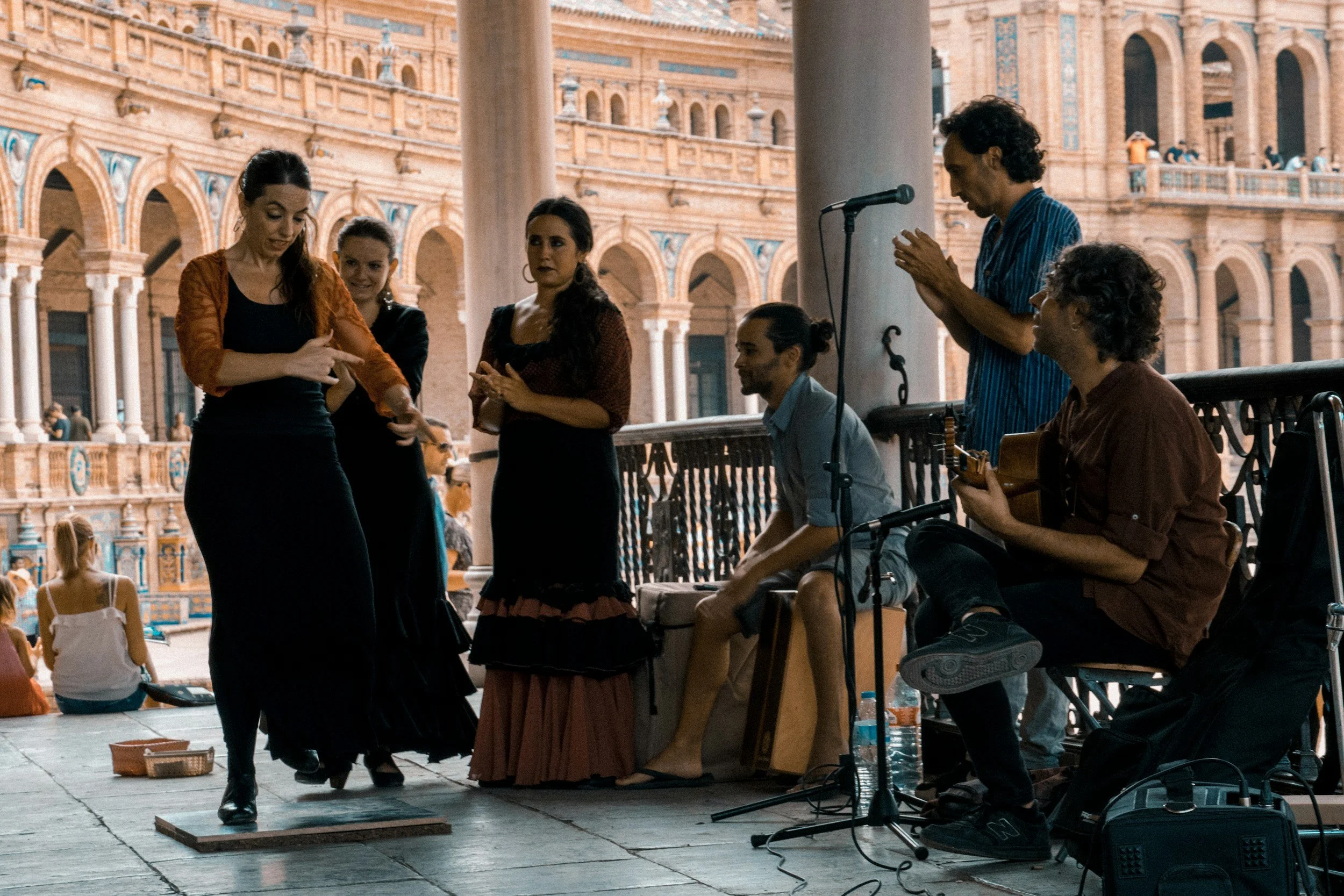
Cultural references are part of the IO, but they don’t need to be detailed or overly specific.
What usually works best is keeping them simple and relevant to what you’re already saying. That might mean referring to Spain or another Spanish-speaking country in a general but accurate way, or briefly comparing it to your own context.
For example, depending on the situation, you might mention:
tourism in Spain
daily life in a Latin American city
festivals, food, or education
The key is that the reference fits naturally into your answer. It doesn’t need to be long or particularly detailed. A short, accurate comment is usually enough to show awareness and develop your response slightly further.
Improve your Spanish IO performance with expert guidance
Language that helps you keep going

A big part of the IO is simply not getting stuck when you’re speaking.
Having a few reliable phrases makes it easier to keep your answer moving, especially when you need a moment to think or develop your ideas further.
For example:
En la imagen se puede ver…
Parece que…
Esto podría representar…
En mi opinión…
Una posible razón es que…
Por otro lado…
Depende del contexto…
These aren’t about sounding advanced. They just give your answer some structure and help you keep developing it without stopping or repeating the same ideas.
Preparing with a teacher or native speaker

In practice, the most effective preparation usually comes from speaking regularly with someone who can guide you and correct you in real time.
That typically means working through a range of stimuli, answering follow-up questions, and building vocabulary through actual conversation rather than memorising isolated phrases. It also helps you get used to linking your ideas to the course themes naturally, which is difficult to practise on your own.
There isn’t really a substitute for this kind of preparation. Students who spend time speaking through examples, questions, and themes tend to improve quickly, especially in terms of confidence and flow during the oral.
If you don’t have someone to practise with

If regular speaking practice isn’t available, there are still a few ways to prepare effectively.
Recording yourself responding to a stimulus can help you notice where your answers stop too early or become repetitive. Practising common question types by theme also makes it easier to recognise patterns in the kinds of discussions that come up.
Spending time listening to Spanish, whether through videos, interviews, or everyday content, can also help you become more familiar with how ideas are expressed more naturally.
That said, most students find that they improve more quickly once they are able to practise with someone who can ask follow-up questions and correct them in real time.
Working with someone who understands the IB also makes a difference. It’s not just about having a native speaker to practise with, but someone who is familiar with the IO format and can point out where marks are being gained or lost, and what to focus on to improve efficiently.
Our tutors are both native Spanish speakers and experienced with the IB, so sessions are focused not just on practice, but on improving the parts of your oral that actually affect your score.
If you’d like to practise the Spanish B IO in a more structured way, we can work through a full mock oral together and focus on the areas that tend to make the biggest difference.