GDC in IB Maths: What It Is, When You Need It, and How to Use It
A clear guide to calculator use in IB Maths, from paper rules to exam preparation.
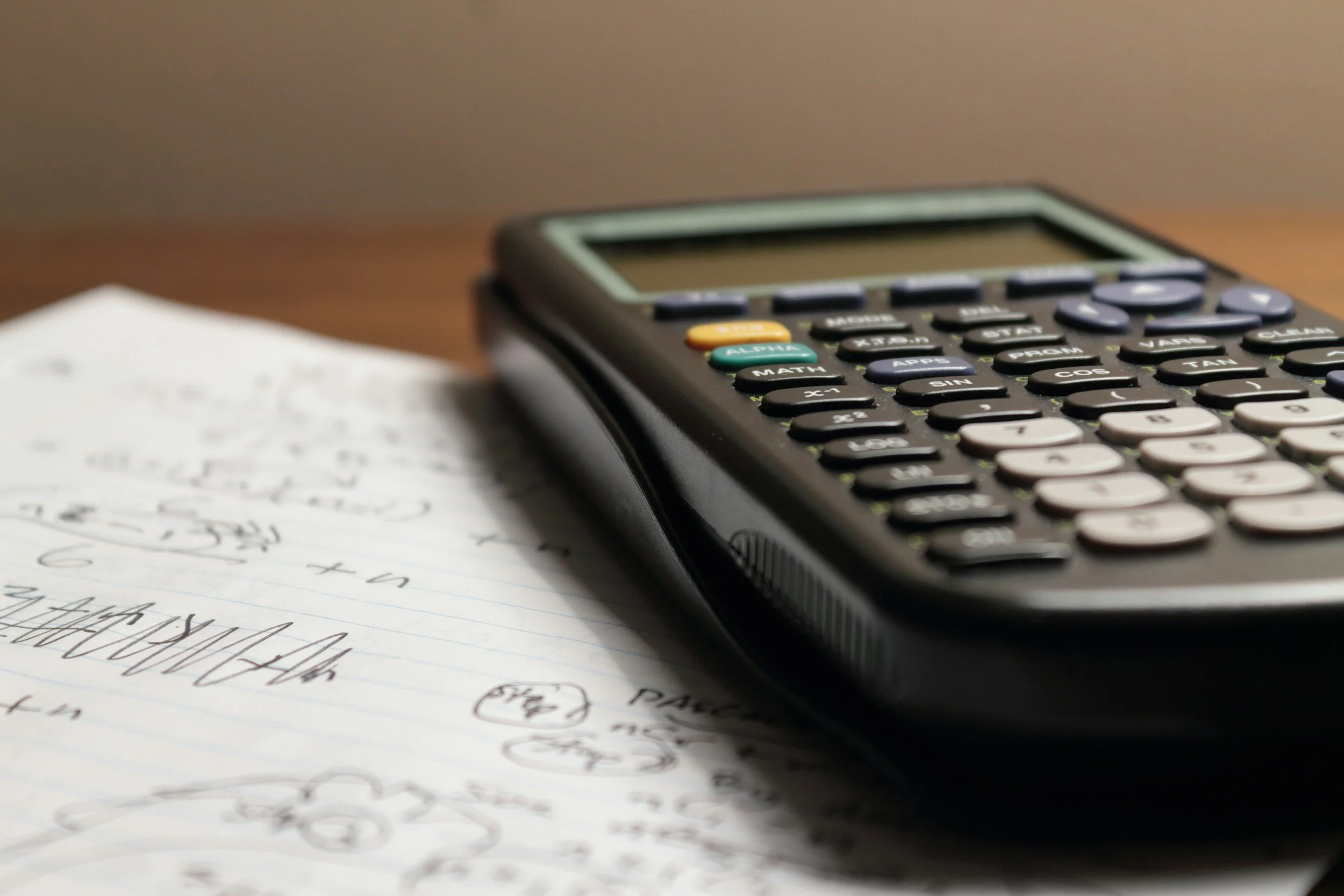
If you have been told a GDC is needed for IB Maths, the next question is usually what that means in practice.
A GDC, or graphic display calculator, is the calculator used for the calculator-based parts of IB Maths. It can graph functions, run statistics, solve equations numerically, and support the kinds of tasks that come up regularly in the course.
For most students, the real issue is knowing whether they need one, whether they have the right one, and whether they can use it confidently enough for exams.
If you are unsure whether the calculator you have is suitable, or whether you are using it effectively enough, that is exactly the kind of issue we help with in IB Maths tutoring.
Book a trial lesson and fix your GDC mistakes today
What a GDC is and why it matters in IB Maths
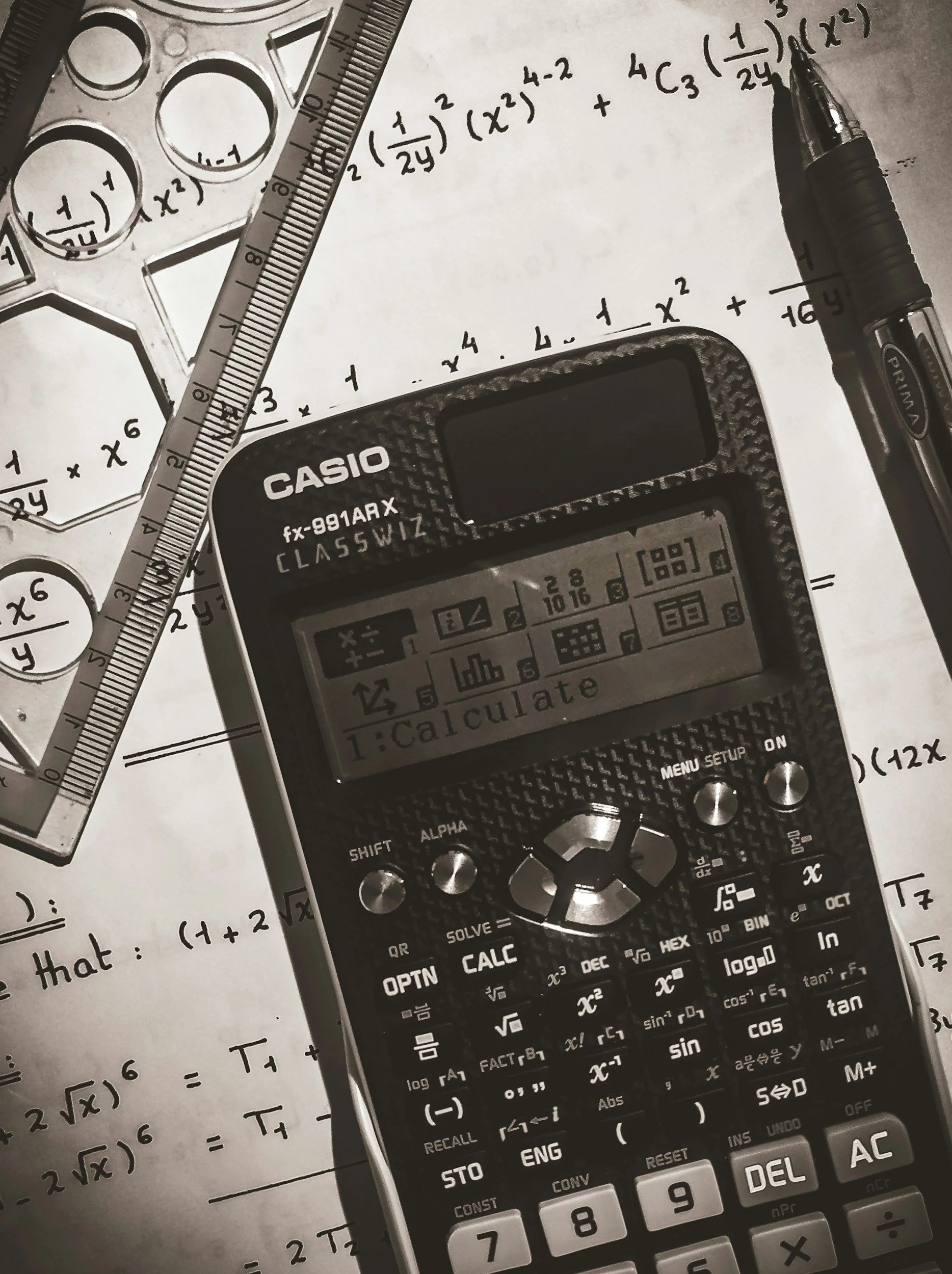
In IB Maths, a GDC is part of how students are expected to work on calculator-allowing papers. As the course becomes more demanding, students are expected to use it with increasing confidence under timed conditions.
A GDC helps students:
graph functions
find roots and intersections
solve equations numerically
work with statistics and regression
use probability distributions
This matters because strong performance in IB Maths depends on understanding the content and applying it efficiently under exam conditions. A student who knows the maths but hesitates with the calculator can still lose time, lose confidence, and lose marks.
When a GDC is used in IB Maths

In IB Maths AA, students need to be comfortable with both calculator and non-calculator work. Some papers require students to work without a calculator, while others expect them to use a GDC effectively.
In IB Maths AI, calculator use plays a more central role throughout the course. Technology is built more directly into the subject, so students are expected to work confidently with their calculator as part of regular problem solving.
That is why calculator fluency is worth taking seriously early on. Students should not leave it until the week before mocks. The more familiar they are with their calculator from the start, the easier it becomes to use it naturally when the pressure is on.
Calculator papers are not easier papers

One common misunderstanding is that calculator papers are automatically easier because the student has access to more tools.
A GDC can make certain tasks faster and more manageable, but students still need to choose the right method, recognise what the question is asking, and interpret results correctly. Without that, the calculator can become a source of hesitation instead of support.
Most students run into one of two problems:
They either rely too heavily on the calculator and struggle when they need to think more independently.
They never become fully comfortable using it, which slows them down and costs them marks on calculator papers.
Good preparation solves both. Students need a secure grasp of the maths itself, along with enough familiarity with the calculator to use it efficiently rather than cautiously.
Choosing the right calculator for IB Maths

This is where many families get stuck.
Students and parents often want to know whether any graphing calculator is fine, whether certain features are restricted, and whether the model they already have is suitable for IB exams. Those are sensible questions, and it is much easier to make good use of a calculator when the practical side has been sorted out early.
Before mocks and exams, students should already know whether their calculator model is suitable for IB Maths, whether any restricted features need to be disabled, whether their school requires a specific exam mode or setting, and whether they are practising with the same calculator they plan to use in exams. Leaving those questions until the last minute creates avoidable stress. Sorting them out early makes the rest of the year smoother and gives the student more time to build real fluency.
Don’t lose marks on calculator papers - get expert help now
Exam mode and calculator settings
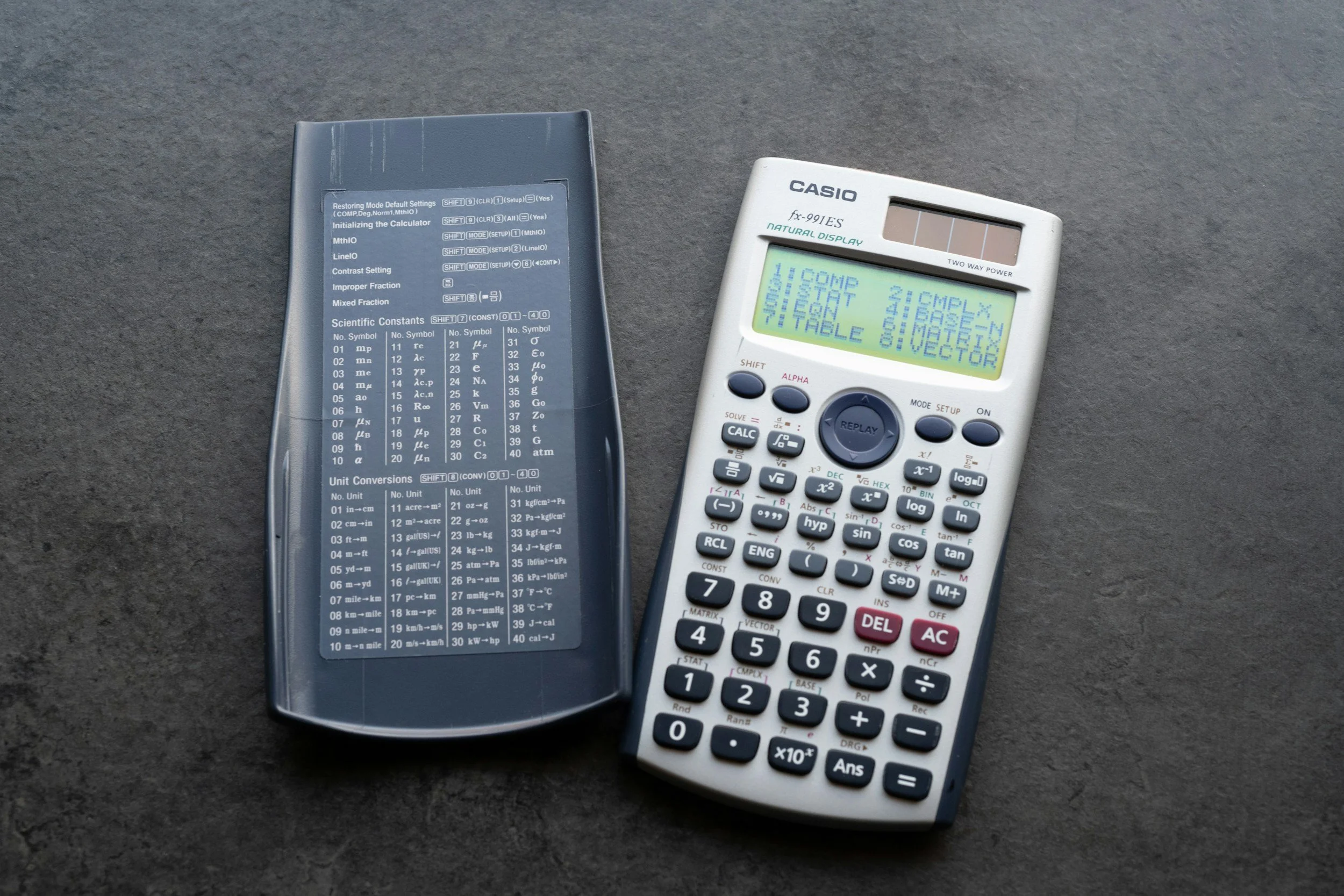
Students should also know how their calculator behaves in exam mode, what functions remain available, what changes in the menu or display, and how to avoid simple setup mistakes on the day.
This matters more than people sometimes realise. Even a capable student can lose confidence quickly if they sit down for a paper and suddenly feel unsure about their settings or calculator layout. The more familiar a student is with their own calculator, the less likely they are to waste time second-guessing themselves under pressure. In that sense, getting to know the calculator setup is essential for effective exam preparation.
Common GDC mistakes

Some of the most common issues we see are:
Buying the calculator too late
Some students only get their GDC once the course is already underway, or close to mocks, which makes it harder to build fluency naturally.Using it only to check homework answers
A GDC should be part of real learning and exam practice, not just a way to confirm answers at the end.Not knowing which function fits which question
Students may know the calculator is powerful, but still hesitate when they need to decide what tool the question actually calls for.Relying on outputs they do not fully understand
A calculator can give a result quickly, but students still need to interpret that result accurately and connect it to the maths in front of them.Ignoring settings and exam preparation
Even strong students can create unnecessary stress if they do not understand the practical side of using their calculator under exam conditions.Underestimating calculator papers
Students sometimes assume the GDC will do more of the work than it actually can. In reality, calculator papers still reward clear thinking and good judgement.
None of these problems mean a student is bad at maths. In most cases, they simply point to a lack of guided practice. The earlier that issue is addressed, the easier it is to fix.
Does the GDC matter outside IB Maths?

Calculators are relevant in some other IB subjects, especially in the sciences, but GDC-specific questions usually come from IB Maths students and parents. That is because calculator use is much more closely tied to course structure, paper format, and exam performance in Maths than it is in most other subjects.
So for most readers, the real question is not whether calculators exist elsewhere in the IB. It is whether the student is fully prepared to use their GDC properly in IB Maths, where it can make a direct difference to confidence, speed, and results.
Improve your IB Maths results with confident GDC use
Need help choosing or using your GDC?

For many students, the first problem is not the maths itself. It is using the GDC confidently and correctly under exam conditions.
That may mean choosing a suitable model, understanding calculator and non-calculator papers, getting familiar with exam settings, or learning how to use the GDC efficiently on IB-style questions. It can also mean spotting when weak calculator fluency, rather than weak understanding, is what is really holding a student back.
This is one of the reasons targeted IB Maths tutoring can help so much. When a student knows the content but still loses time, second-guesses calculator use, or feels thrown off by calculator papers, the issue is often more practical than it looks.
At Think Smart, we help IB Maths students build confidence with both the course content and the exam skills that support strong performance, including effective GDC use.